Christmas Olive Gifts: UK Delivery and Pairing Ideas
October 07, 2026 - Gifts

October 07, 2026 - Gifts
October 06, 2026 - Gifts
October 02, 2026 - Pantry
September 30, 2026 - Recipes
Christmas shopping for someone who cooks is simple until it isn't. A bottle of good olive oil, a jar of properly cured olives, a tin of something briny and bright: these are gifts that get used rather than stored at the back of a cupboard. The catch is timing. Glass is heavy, couriers slow down, and a parcel that misses the last collection before Christmas becomes a January present with better wrapping.
Olive products reward a bit of thought. Two things are worth checking before you buy: the harvest date and the variety. Oil from the most recent harvest tastes greener and more assertive; older stock tends to taste flat and slightly waxy, even when it is still within its best-before window. Varieties differ too. A Greek Koroneiki is usually peppery and pleasantly bitter, while many Spanish and Italian oils are rounder and softer. If you are buying for someone who dresses a salad most days, a punchy early-harvest oil will not go to waste. For a household that mostly roasts and bakes, a milder oil is the safer choice.
Look for dark glass or tins, since light speeds up spoilage, and buy from a shop that turns its stock over quickly. A tin also travels better than a bottle if the gift is going by post.
A hamper works best when the contents belong together. Rather than filling it with everything on the shelf, build around one meal or one habit. A cheeseboard box, for example:
Keep the box modest. Four well-chosen items feel generous; nine random ones feel like a clear-out. Add a handwritten note with one suggestion — "try this one on roast potatoes" — and the recipient is far more likely to open the bottle that week instead of saving it for an occasion that never arrives.
Roast potatoes are the obvious move, but the oil matters. Toss par-boiled potatoes in a generous slug of robust oil with rosemary and plenty of salt, and use the same oil to finish carrots, sprouts or a tray of squash. If you are roasting at high heat, an everyday olive oil is more forgiving than an expensive early-harvest bottle, which is wasted at 220°C. Keep the good stuff for the table, where it is drizzled raw over the finished vegetables.
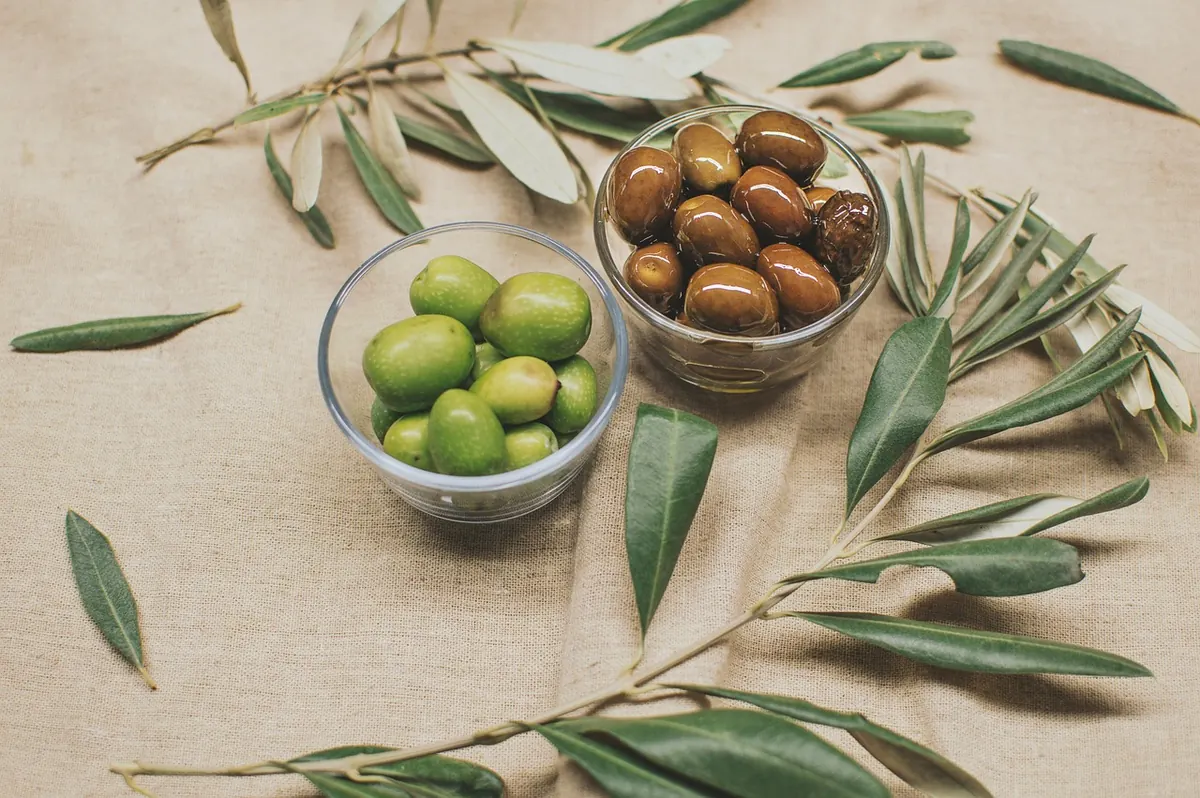
Salty olives cut through rich cheese. A firm sheep's cheese with green olives and a grassy oil is a classic combination; blue cheese sits better with a sweeter, milder oil, or with olives dressed in orange zest. Serve olives at room temperature — straight from the fridge they taste of almost nothing — and put a small dish of oil alongside them with bread for dipping.
A dry sherry, a chilled vermouth or a plain sparkling wine all sit comfortably beside a bowl of olives. A jar of good olives also makes an excellent host gift instead of wine: it lasts for weeks and does not need drinking that evening. On Boxing Day, the same oil is what turns leftover roast vegetables, cold meat and a hunk of bread into something worth eating.
Most of the stress in Christmas gifting comes from the final three days before the holiday. A rough order of operations:
If you would rather not risk the network at all, ring a local deli or farm shop. Many will hold an order and let you collect it a day or two before Christmas, which is often the calmest option going.
Tins and smaller bottles travel better than large glass. If you are sending glass, wrap the bottle in bubble wrap, then in a cardboard tube or a box with a few centimetres of padding on every side, and run a strip of tape across the seal of any jar. Mark the parcel clearly, but treat "this way up" as a request rather than a guarantee.
Send early in the week so the parcel is not sitting in a depot over the weekend, and keep the tracking number. Cold weather will not ruin a bottle of oil, but it can make it cloudy and thick; it clears again once it is back at room temperature. Food gifts given at Christmas may also be received by someone with allergies or dietary needs, so check labels for anchovy, sulphites and nuts in tapenade and brines before you hand anything over.
Get those six things right and the gift does its job: on the table by Christmas lunch, and finished well before the New Year.
Photo: keezia / Pixabay
A practical guide to buying or building an olive-themed hamper in the UK, from choosing oils and table olives to...
Don't pour olive brine down the sink. Eight practical ways to use it in dressings, marinades, pickles, bread and...
October 07, 2026 - Gifts
October 06, 2026 - Gifts
October 02, 2026 - Pantry
Copyright © 2026 Olive Shelf. All Right Reserved.