Christmas Olive Gifts: UK Delivery and Pairing Ideas
October 07, 2026 - Gifts

October 07, 2026 - Gifts
October 06, 2026 - Gifts
October 02, 2026 - Pantry
September 30, 2026 - Recipes
A jar of marinated olives is one of the most useful things you can keep in the fridge. They lift a bowl of hummus into something that looks deliberate, they turn a Tuesday sandwich into lunch worth sitting down for, and they cost a fraction of the deli-counter version once you start doing it yourself.
The making part takes about ten minutes. What follows are three marinades built on the same simple idea: good olives, decent olive oil, something sharp, something aromatic. Pick one, or make all three in separate jars and let the week decide.
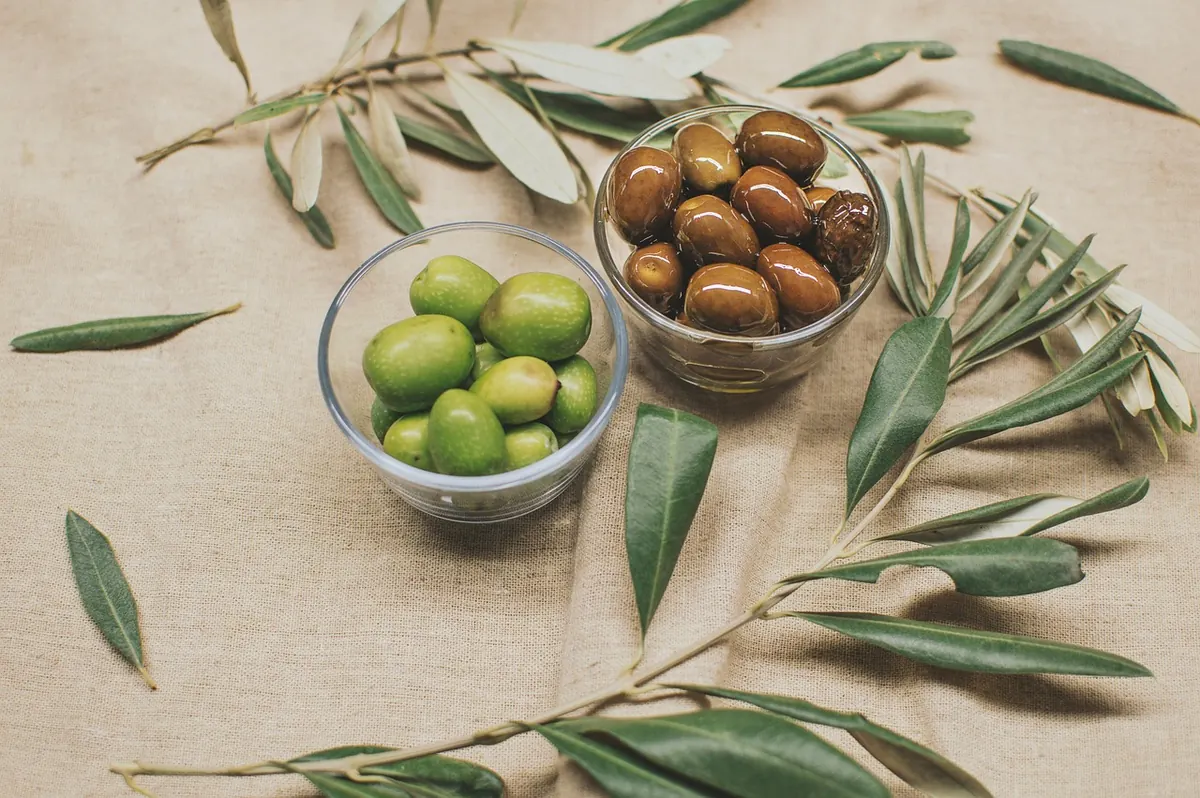
Marinades flatter olives, but they cannot rescue them. Buy the best you can eat straight from the tub: Kalamata for a soft, winey bite; Nocellara or Castelvetrano for buttery green flesh; Halkidiki for a firm, slightly nutty crunch. Loose olives from a deli counter are usually better value than the vacuum-packed sort, and you can taste before you commit.
Drain them well and pat them dry with kitchen paper. Water left on the surface makes the oil cloudy and dilutes the flavour. If your olives taste aggressively salty, soak them in cold water for 20–30 minutes, then drain and dry again. Once they are in the jar, hold the salt: olives arrive seasoned, so you are adding only pepper and whatever the aromatics bring.
Every marinade here follows the same proportions. Once you know the shape of it, you can improvise from whatever is in the cupboard.
Mix the oil with the flavourings first, taste it, then pour it over the olives. If the oil tastes flat, a small pinch of sugar or a little more zest will wake it up.
The brightest of the three, and the one to make if you are serving olives with drinks.
Warm the oil gently with the fennel seeds for a minute, then take it off the heat and add the zest and bay. Let it cool before pouring it over the olives with the lemon juice. The citrus softens after a day or two, so this one is at its best from day two onwards.
Warm rather than fiery — the point is background heat, not a challenge.
Heat the oil with the garlic over a very low flame until the slices just turn pale gold, then pull the pan off the heat immediately and stir in the chilli, orange peel and coriander. Burnt garlic tastes bitter and there is no fixing it, so err on the side of underdone. Cool, pour over, and leave for at least a day.
The most versatile of the three — good on a cheeseboard, good chopped into a tomato salad.
No cooking needed here. Bruise the rosemary and thyme between your fingers to release the oils, then combine everything in the jar. Hard herbs hold their flavour for weeks; soft ones such as basil or parsley will turn dark and sad, so add those at the table instead.
If you have one jar and one appetite for decisions, the herb version is the safest bet — it works with red wine, white wine and everything in between.
Twenty-four hours is the minimum for anything to happen. Three to five days is the sweet spot, when the oil has taken on the aromatics and the olives have taken on the oil.
No need to shake the jar every day. A gentle turn now and then is plenty, and it keeps the herbs intact.
Chop a few roughly and fold them through warm pasta with a spoonful of the marinade oil. Scatter them over focaccia before it goes in the oven, or over a pizza straight after. They are good with tomatoes and mozzarella, roasted in the tin with chicken thighs and lemon, or mashed into butter to melt over grilled fish. Strain the leftover oil and use it for dressing.
Dry the olives before they meet the oil. Taste the oil before you pour it. And give it a day — the difference between olives marinated for an hour and olives marinated for three days is not subtle. Start a jar tonight and you will have something worth opening by the weekend.
Photo: mirkostoedter / Pixabay
A seasonal guide to choosing olive oils, olives and hampers as Christmas gifts, with practical UK delivery timing,...
A practical guide to buying or building an olive-themed hamper in the UK, from choosing oils and table olives to...
October 07, 2026 - Gifts
October 06, 2026 - Gifts
October 02, 2026 - Pantry
Copyright © 2026 Olive Shelf. All Right Reserved.