Christmas Olive Gifts: UK Delivery and Pairing Ideas
October 07, 2026 - Gifts

October 07, 2026 - Gifts
October 06, 2026 - Gifts
October 02, 2026 - Pantry
September 30, 2026 - Recipes
Tapenade has a reputation for being slightly posh — the sort of thing that turns up in a small dish with a price tag attached. In practice it is one of the most forgiving things you can make at home: a handful of black olives, some capers, a clove of garlic and enough olive oil to bring it together, pulsed in a processor until it looks right. No cooking, five minutes of work, and it keeps for a week in the fridge. This is the classic version, with anchovies if you want them and plenty of ways to use it up.
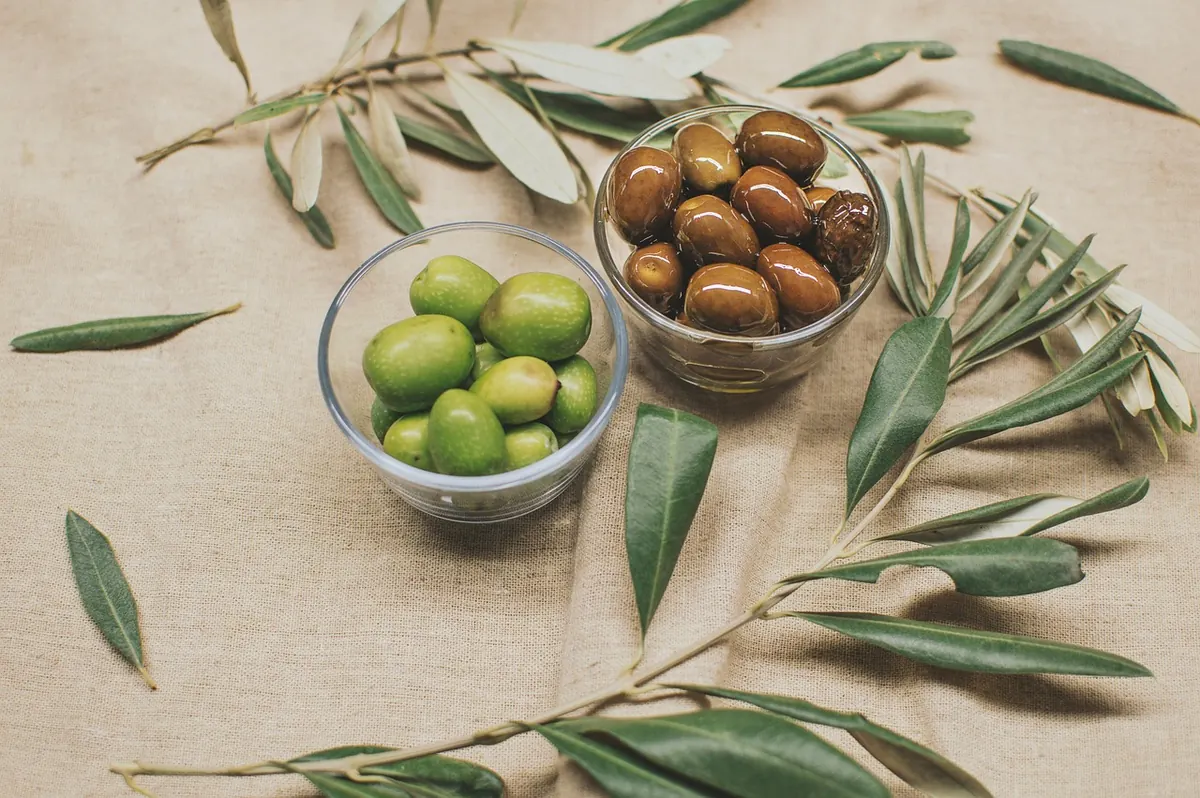
The olives do most of the work, so start there. Buy good black olives in brine — Kalamata, or the large Greek and Niçoise ones sold loose on deli counters and in tubs at most supermarkets. Avoid olives packed in a sharp vinegar-heavy brine, and skip anything stuffed with pimento or garlic, which brings a sweetness that fights the capers. If you buy them with stones in, allow about 250g to end up with the 200g you need once they are stoned.
The finished paste should taste of olives first, then salt and lemon, then garlic somewhere in the background. If garlic leads the way, you have used too much. It is a condiment, not a dip that should disappear in one scoop.
Optional extras: a teaspoon of brandy, which appears in some Provençal versions, a few basil leaves instead of thyme, or 30g toasted almonds for a nuttier, less salty result.
A food processor will happily reduce olives to a smooth purée in seconds, and that is the one way to ruin tapenade. If you have gone too far, fold in a few extra chopped olives by hand to bring back some bite. Some cooks skip the machine altogether and chop everything with a heavy knife, which takes about ten minutes and gives the best texture of all. Either way, it should mound on a spoon rather than pour off it.
Think of the lemon as seasoning rather than an ingredient: a squeeze lifts the whole thing and keeps it from tasting flat. If your tapenade tastes dull, it usually needs acid or a little more oil, not more salt.
Anchovy is traditional in tapenade from around Nice, and three fillets is a background hum rather than a fishy hit. If you are feeding someone who avoids them, leave them out and add an extra teaspoon of capers and a little more lemon juice; the result is brighter and still very good.
This quantity makes roughly 250g, enough for six as a starter. Store it in a clean jar in the fridge with a thin layer of olive oil pressed over the surface, which keeps the top from drying out and the colour from going grey. It will keep for up to a week. If it stiffens up, loosen it with a little oil and a squeeze of lemon before serving.
It also freezes well. Spoon it into an ice-cube tray, freeze, then tip the cubes into a bag, where they will last around three months. Thaw overnight in the fridge, or drop a frozen cube straight into a hot pan of pasta or vegetables.
One sensible note on salt: olives, capers and anchovies are all salty ingredients, so if you are watching your salt intake, use less capers and anchovies, or leave them out, and check with your GP or a dietitian if you are unsure what suits you. Otherwise, keep a jar in the fridge, buy decent bread on the way home, and you have a first course sorted in less time than it takes to open a packet of crisps.
Photo: Pexels / Pixabay
A seasonal guide to choosing olive oils, olives and hampers as Christmas gifts, with practical UK delivery timing,...
A practical guide to buying or building an olive-themed hamper in the UK, from choosing oils and table olives to...
October 07, 2026 - Gifts
October 06, 2026 - Gifts
October 02, 2026 - Pantry
Copyright © 2026 Olive Shelf. All Right Reserved.