Christmas Olive Gifts: UK Delivery and Pairing Ideas
October 07, 2026 - Gifts

October 07, 2026 - Gifts
October 06, 2026 - Gifts
October 02, 2026 - Pantry
September 30, 2026 - Recipes
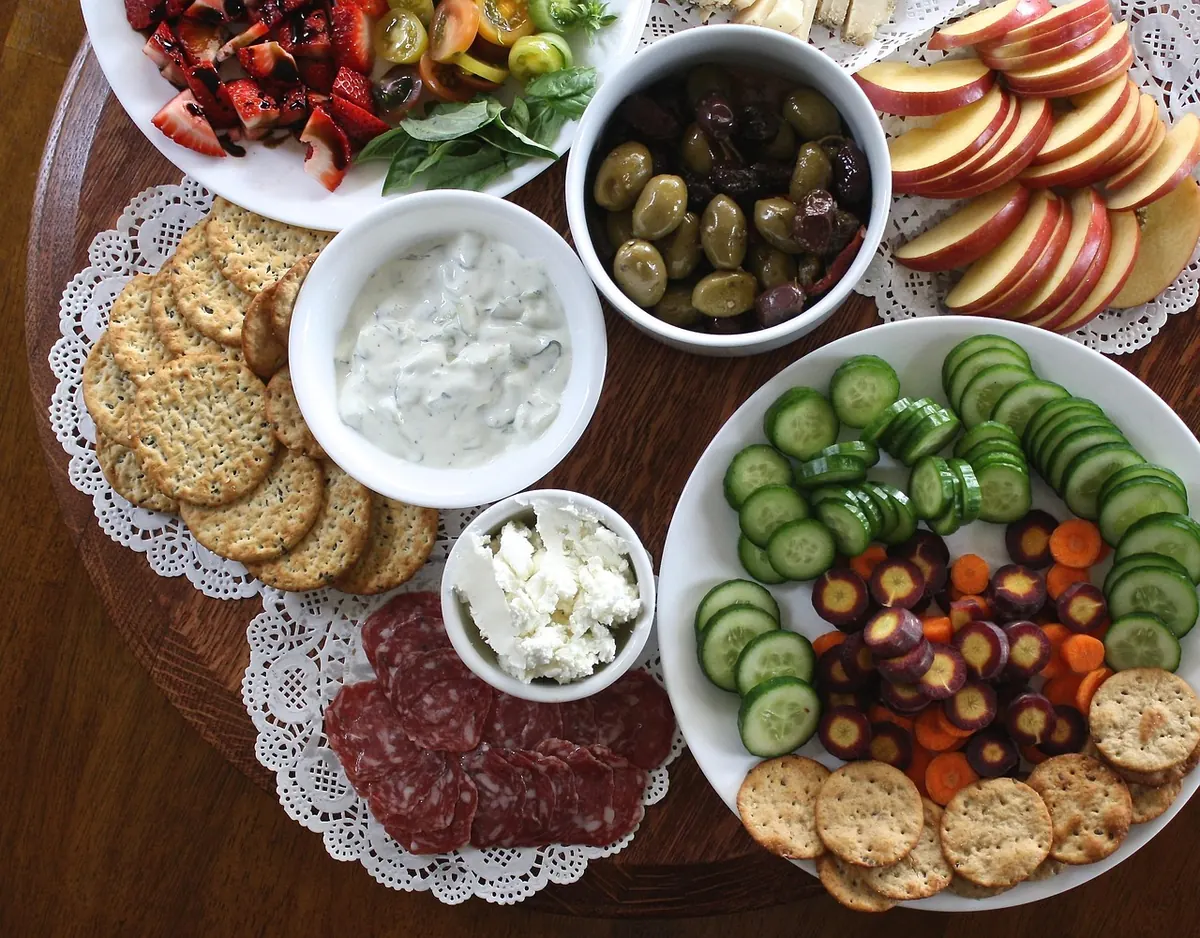
An olive board is the most forgiving thing you can put on a table, and one of the easiest to get wrong. Most of us buy four jars, tip them into a bowl, add a block of cheese and hope for the best. That works. It works better when the olives are drained, dressed and given a few things to argue with: something creamy, something crunchy, something sharp, something fresh. Here is how to build a board for Friday drinks, a birthday, or the kind of gathering where people stand around the kitchen island for three hours.
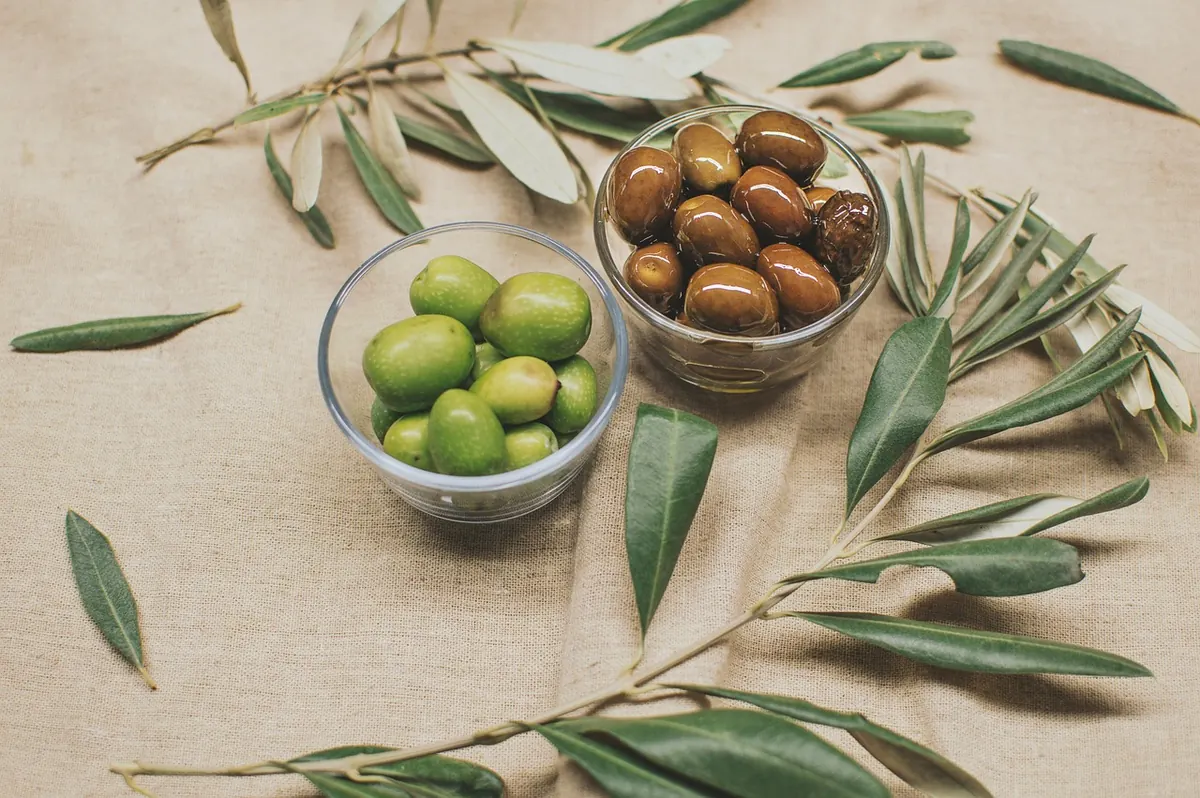
Buy three or four different olives rather than a single large jar. You want contrast in size, colour and cure. A buttery green Nocellara or Castelvetrano, a wrinkled and intensely savoury Kalamata, a small firm Picholine, a dark Gaeta. If you are buying loose from a deli counter, a market stall or a Mediterranean grocer, ask which are the mildest and which are the punchiest, and buy both.
Then drain them properly. Wet olives make a wet board, and oil running into the bread is the fastest way to make everything look tired. Tip them into a bowl, pat them dry with kitchen paper, and dress with a little olive oil plus something aromatic. Strips of orange zest and a pinch of fennel seed. Torn rosemary and lemon zest. Crushed garlic and chilli flakes if you want heat. Leave for half an hour. Do not add salt; cured olives are salty enough already.
Warm olives are the one trick worth remembering. Gently heat a drained bowlful in a small pan with olive oil, lemon zest and rosemary for two or three minutes, then serve straight away. On a cold evening, that is the thing people talk about afterwards.
A good board is closer to a balance sheet than a recipe. Keep these four notes in mind and you can improvise with whatever is in the cupboard.
If everything on the board is salty, add pickles. If it is all rich and oily, add lemon or a few cherry tomatoes. The most common mistake is five salty things and nothing to cut through them.
Two or three cheeses is plenty for a drinks board. A sheep's milk cheese such as Manchego or a firm pecorino; a creamy goat's cheese log; something British and mature, whether that is a good Cheddar or a blue if your crowd approves. Take them out of the fridge thirty to forty-five minutes before serving and cut them into rough, irregular pieces rather than neat cubes. A block of feta marinated in olive oil with chilli and oregano takes five minutes and belongs on an olive board almost by rights.
Offer something soft and something crisp. Warm focaccia or pitta torn into pieces, thinly sliced sourdough, oatcakes, a plain water biscuit that will not compete. Heavily flavoured crackers next to five kinds of olive is too much noise. If you are assembling ahead, keep bread in a cloth or a paper bag rather than a plastic tub, or it turns leathery within the hour.
Nuts do more work than people expect. Marcona almonds, walnuts, pistachios. Warm them in a dry pan with rosemary and a pinch of smoked paprika, then tip them into a bowl while they are still hot. Buy unsalted where you can, because the board is already salty.
Then add two or three extras: roasted red peppers from a jar, sliced and dressed with oil; artichoke hearts; sun-dried tomatoes; a spoonful of membrillo beside the cheese; a small pot of honey with its own spoon. Choose things that will sit at room temperature for an hour without looking sad, and resist adding a fourth and fifth.
As a rough guide per person, for a board that accompanies drinks rather than replacing a meal: 40–50g of olives, 40–50g of cheese in total, a small handful of nuts, three or four pieces of bread or crackers, and a spoonful of something pickled. For eight people, that is roughly 350g of olives and 350–400g of cheese across two or three types. Buy a little less than you think and top up from the cupboard.
Assemble twenty to thirty minutes before people arrive. Keep anything chilled — soft cheese, houmous, cut cucumber — in the fridge until the last moment and add it then, so it does not sit out sweating. If the room is warm, keep the board out of direct sun. If anyone is watching their salt intake, put the plainest items at the front where they are easy to reach.
A board should not be a single reveal. Refill it. When the first bowl of olives is half empty, bring out a different variety you kept back. Warm a second batch of nuts midway through the evening. Hand round a fresh stack of bread. Match the drinks to what is on the table: dry sherry or vermouth with the olives, a crisp white or a light red with the cheese, something sparkling if it is a celebration.
Get those few things right — drained olives, a proper balance of tastes, room to reach in, and a spare jar behind the scenes — and the second bowl will be empty before the cheese is.
Photo: ponce_photography / Pixabay
A seasonal guide to choosing olive oils, olives and hampers as Christmas gifts, with practical UK delivery timing,...
A practical guide to buying or building an olive-themed hamper in the UK, from choosing oils and table olives to...
October 07, 2026 - Gifts
October 06, 2026 - Gifts
October 02, 2026 - Pantry
Copyright © 2026 Olive Shelf. All Right Reserved.