Christmas Olive Gifts: UK Delivery and Pairing Ideas
October 07, 2026 - Gifts

October 07, 2026 - Gifts
October 06, 2026 - Gifts
October 02, 2026 - Pantry

September 30, 2026 - Recipes
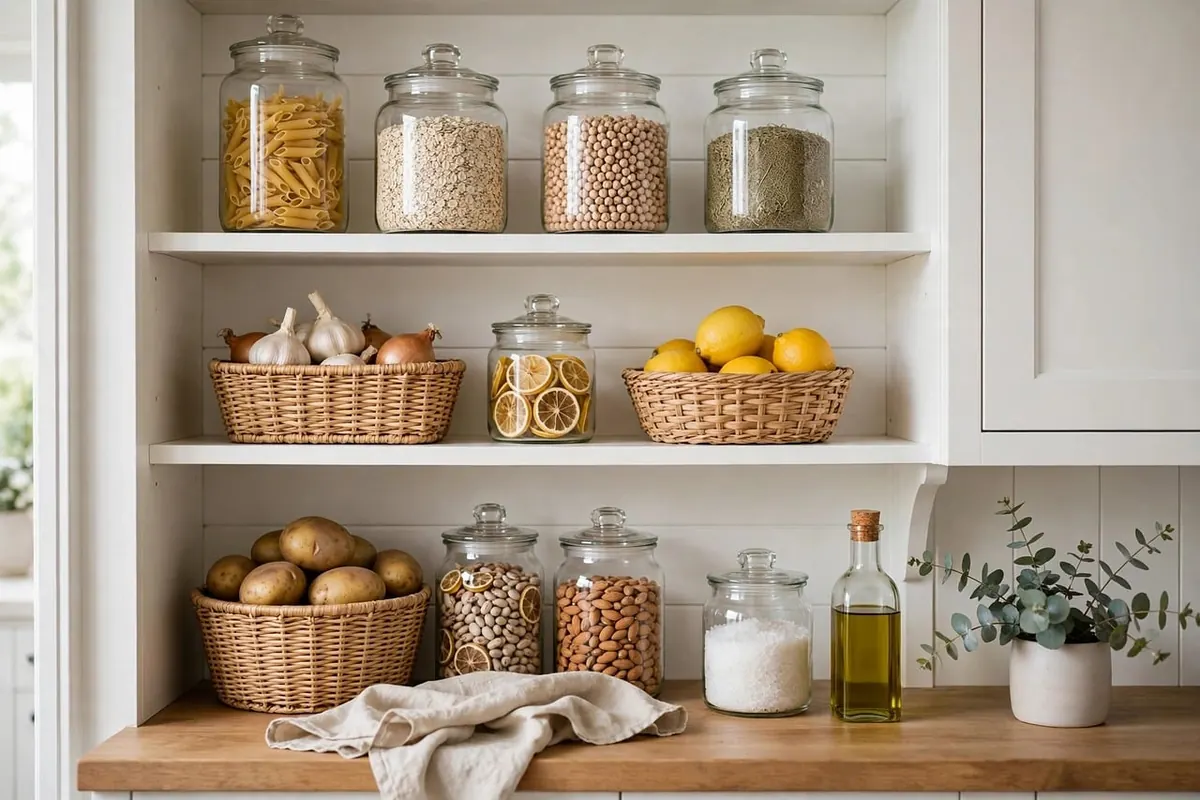
Olives are preserved food, which is why so many of us leave an opened jar in the cupboard and think nothing more of it. Brine and oil do a lot of quiet work. But once the seal is broken, the clock starts, and the difference between olives that taste like olives and olives that taste tired, fizzy or faintly of last week's leftovers comes down to a few small habits. Get those habits right and a jar will stay good from the first olive to the last.
Almost all olives are sold in one of three states: packed in brine, packed in oil, or dry-cured with little or no liquid. Whatever you have bought, two things matter most after opening. The olives should stay covered by their liquid, and they should stay cold.
Air is the enemy of flavour, and warmth is the enemy of shelf life. A jar that sits open on a sunny worktop will soften, dull and eventually spoil far faster than the same jar kept sealed in the fridge. If you take nothing else from this, take that.
These are the olives you will find loose at a deli counter or in the big supermarket jars: Kalamata, green Sicilian, black olives in salty water. They are the most forgiving kind, because salt and acid do a lot to hold spoilage at bay.
Once opened, they belong in the fridge. Keep them fully submerged, because any olive poking above the surface will dry out, wrinkle and turn unpleasant within days. Fish them out with a clean fork rather than your fingers, and don't leave the jar open while you assemble a salad.
If the brine has run low, top it up with a simple brine rather than water: roughly a tablespoon of salt dissolved in 500ml of cold water. A thin layer of olive oil floated on top is an old trick that limits contact with air, and it does no harm.
Kept cold, covered and reasonably clean, brine-packed olives are usually at their best for two to four weeks after opening. Many jars go well beyond that without any real problem, though the flavour flattens and the texture softens. Treat a month as a sensible target and you will rarely be disappointed.
Cloudy brine is normal. So is a little white sediment at the bottom of the jar, and so are small salt crystals clinging to the olives. None of that means anything has gone wrong.
Oil keeps air away from the olives, but it does not preserve them the way salt and acid do. Microbes that would struggle in brine are far happier in a plain oil environment, so oil-packed olives need more care, not less.
Refrigerate them straight after opening and keep them submerged in their oil, topping up with ordinary olive oil if the level drops. The oil will often solidify in the fridge, which looks alarming and is completely fine. Leave the jar on the counter for ten minutes and it will loosen again.
Aim to finish oil-packed olives within three to four weeks. If yours came with garlic cloves, chillies or fresh herbs in the oil, be stricter: keep the jar refrigerated and use it within a few days to a week. Garlic held in oil at room temperature is a recognised food safety risk, which is why commercial producers acidify their recipes. If you are unsure about a jar you made or bought loose, ask the shop or check official food safety guidance, and when in doubt, throw it out.
Yes, with adjusted expectations. Freezing does not make olives unsafe, but it does soften them, so thawed olives are better used in cooking than eaten straight from the bowl.
Portion them before freezing, because refreezing the same olives repeatedly wrecks the texture. Three months is a realistic window for good quality. Thaw overnight in the fridge, then use them in a tomato sauce, a tapenade, a tray of focaccia or a slow-braised lamb dish where a softer olive is no drawback at all.
An unopened jar is happy in a cool, dark cupboard until its date. An opened jar is not. The pantry only works if you are eating the olives within a day or two and the room is genuinely cool; in a warm kitchen, spoilage accelerates quickly and quietly.
Two practical touches make a real difference. First, transfer leftovers into the smallest clean jar they will fit into, so there is less air sloshing around them. Second, keep olives sealed and away from strongly scented items such as blue cheese or onions, because they pick up fridge odours with depressing ease.
Some oddities are harmless, and some are not. A thin whitish film or powdery skin on the surface is usually yeast; it is not dangerous, but it does affect flavour. Skim it off, and if it returns within a day or two, or the olives taste flat and sour, bin the jar.
Treat these as clear signals to stop:
Do not taste olives to check whether they are fine. If the smell or look is wrong, or you are simply not sure, discard them. A jar of olives costs very little compared with a bad night.
Do those things and your olives will taste as they should right to the bottom of the jar. It takes seconds, and it is the difference between a storecupboard staple you trust and one you quietly avoid.
A seasonal guide to choosing olive oils, olives and hampers as Christmas gifts, with practical UK delivery timing,...
A practical guide to buying or building an olive-themed hamper in the UK, from choosing oils and table olives to...
October 07, 2026 - Gifts
October 06, 2026 - Gifts
October 02, 2026 - Pantry
Copyright © 2026 Olive Shelf. All Right Reserved.